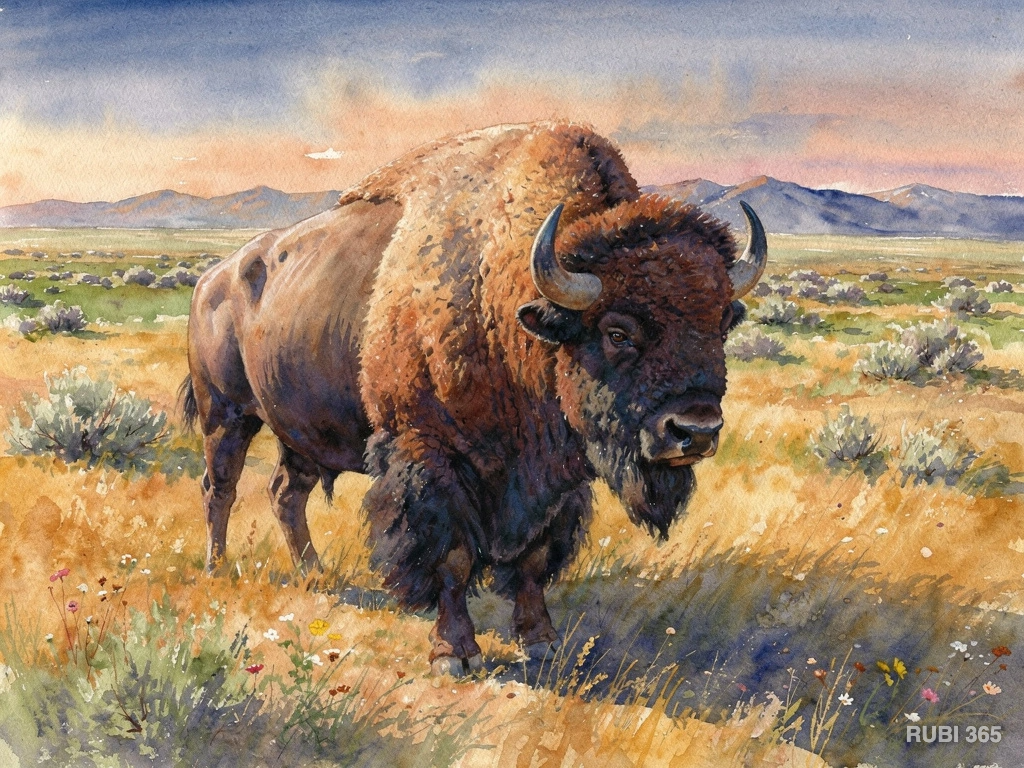
Where American Bison Can Be Seen
Rubi 365
September 29, 2026
Where American Bison Can Be Seen
American bison can be seen throughout the United States in free-ranging, managed, and privately conserved herds. Free-ranging animals move across broad public landscapes with limited human control, while managed herds are contained or regulated for conservation, habitat, or population goals. Privately conserved herds are typically protected by nonprofit preserves, tribal programs, or working ranches.
The United States supports plains bison across the West and Midwest and, in Alaska, both introduced plains bison herds and wood bison reintroduction programs. The National Park Service identifies bison herds in numerous states, while the U.S. Fish and Wildlife Service, the U.S. Forest Service, the Bureau of Land Management, tribal authorities, state agencies, and private conservation organizations manage additional herds. Visitors may find bison in national parks, national wildlife refuges, tribal lands, state parks, nonprofit preserves, and ranches.
This guide covers the major public viewing destinations; it is not an exhaustive list of every herd. Viewing conditions vary by season, herd size, weather, habitat, and management practices. A free-ranging herd may be difficult to find, while an enclosed or ranch-based facility may offer more predictable sightings. Some sites permit only roadside, overlook, or guided viewing. Confirm access rules, fees, road conditions, and wildlife notices with the managing agency before traveling.
National Parks and Federal Recreation Areas
National parks and federal recreation areas provide some of the country’s most memorable bison-viewing opportunities. Bison move in response to food, weather, water, breeding activity, and management operations, so even well-known viewing areas can change from day to day. The National Park Service is the primary source for park maps, closures, entrance fees, and current wildlife guidance.
- Yellowstone National Park, Wyoming, Montana, and Idaho: Location: Hayden Valley, Lamar Valley, the Madison River area, Blacktail Deer Plateau, Tower, Gardiner Basin, and other parts of the park. Herd type: Free-ranging plains bison — the largest and most ecologically intact herd in the United States, numbering several thousand animals. Likelihood of sightings: High compared with most public lands, although no sighting is guaranteed. Best areas and seasons: Hayden and Lamar valleys are productive in many seasons; winter and early spring often concentrate animals in lower-elevation areas, while summer and the breeding season can bring animals near roads and developed areas. Access limits: Roads, trails, boardwalks, and seasonal openings vary; never leave designated routes to approach wildlife. Managing agency: National Park Service. Check Yellowstone’s official road, wildlife, and safety pages before departure.
- Grand Teton National Park and the National Elk Refuge, Wyoming: Location: Open sagebrush, grassland, and river-bottom habitats around the park and refuge. Herd type: The Jackson bison herd is managed jointly by the National Park Service and U.S. Fish and Wildlife Service. Likelihood of sightings: Moderate to high in suitable open habitat, but locations change seasonally. Best areas and seasons: Roadside pullouts and open valleys can be productive, particularly when animals move to lower elevations in colder weather. Access limits: Use designated pullouts and observe refuge closures, hunting seasons, and winter restrictions. Managing agencies: National Park Service and U.S. Fish and Wildlife Service.
- Theodore Roosevelt National Park, North Dakota: Location: South Unit and North Unit scenic drives and surrounding grasslands. Herd type: Separate managed herds in the park’s South and North units. Likelihood of sightings: Often good along scenic drives, but animals may be hidden in broken terrain or tall vegetation. Best areas and seasons: Open grasslands and roadside areas are useful year-round; spring and summer provide easier access to most facilities, while winter can limit roads and services. Access limits: Remain on designated roads and trails and check unit-specific closures. Managing agency: National Park Service.
- Badlands National Park and Wind Cave National Park, South Dakota: Location: Prairie, rolling badlands, and grassland areas. Herd type: Managed conservation herds. Likelihood of sightings: Moderate to high, depending on herd movement and vegetation. Best areas and seasons: Roadside overlooks, scenic drives, and open prairie are generally most productive in spring through fall. Access limits: Bison may be near roads and trails; do not enter closed areas or cross fences. Managing agency: National Park Service.
- Grand Canyon National Park, Arizona: Location: North Rim and adjacent North Kaibab National Forest. Herd type: A free-ranging, introduced plains bison herd on the Kaibab Plateau, managed across a landscape involving federal and state partners and subject to active population-reduction efforts. Likelihood of sightings: Low to moderate and highly variable. Best areas and seasons: Forest clearings and roads near the North Rim may provide opportunities during the visitor season. Access limits: North Rim roads and facilities are seasonally closed or weather-dependent; sightings outside park boundaries may be subject to Forest Service rules. Managing agencies: National Park Service and other federal land managers. Verify current herd and road information before visiting.
- Tallgrass Prairie National Preserve, Kansas: Location: Flint Hills prairie near Strong City. Herd type: Managed conservation herd. Likelihood of sightings: Good in open pastures, though animals can be distant. Best areas and seasons: Preserve roads, overlooks, and approved trails; spring through fall generally offers the easiest visitor access. Access limits: Pastures may be closed, and some areas require guided access or designated routes. Managing agency: National Park Service, in cooperation with preserve partners. Check current hours, tours, and fees.
- Chickasaw National Recreation Area, Oklahoma: Location: Designated bison pasture areas within the recreation area. Herd type: Small managed herd. Likelihood of sightings: Variable. Best areas and seasons: Open pasture areas and designated viewpoints when accessible; cooler months may improve daytime activity. Access limits: Fences, pasture closures, and changing management conditions may limit viewing. Managing agency: National Park Service. Consult current park notices rather than relying on historical viewing reports.
- Capitol Reef National Park and the Henry Mountains, Utah: Location: The Henry Mountains and surrounding public lands east of Capitol Reef. Herd type: Free-ranging herd managed primarily by the Utah Division of Wildlife Resources. Likelihood of sightings: Low to moderate because of remote terrain and dispersed animals. Best areas and seasons: Open foothills, roads, and public-land viewpoints; spring and fall often provide more comfortable travel conditions. Access limits: Rough roads, private land, weather, hunting seasons, and limited services affect access. Managing agencies: Utah Division of Wildlife Resources, Bureau of Land Management, U.S. Forest Service, and National Park Service where applicable. Confirm boundaries and current regulations.
- Wrangell–St. Elias National Park and Preserve, Alaska: Location: Parts of the Copper River and Chitina River region. Herd type: Free-ranging plains bison herds (notably the Copper River herd), introduced to Alaska in the 20th century. Likelihood of sightings: Low and unpredictable. Best areas and seasons: Road corridors and open river valleys during the main travel season; weather and daylight strongly affect access. Access limits: Remote roads, limited services, aircraft access, and rapidly changing conditions require careful preparation. Managing agency: National Park Service, with Alaska state and federal wildlife partners. Note: Alaska’s wood bison reintroduction herds live in the remote Lower Innoko/Yukon Rivers area of western Alaska, far from Wrangell–St. Elias and not practical viewing destinations.
National Wildlife Refuges and Public Lands
National wildlife refuges and Bureau of Land Management lands contribute significantly to bison conservation and public viewing. Refuge herds are commonly managed rather than fully free-ranging, with fences, seasonal pastures, population targets, and conservation transfers shaping where animals can be found.
The U.S. Fish and Wildlife Service manages approximately 1,200 plains bison in five range-limited National Wildlife Refuge System herds: Fort Niobrara National Wildlife Refuge in Nebraska, Neal Smith National Wildlife Refuge in Iowa, Wichita Mountains National Wildlife Refuge in Oklahoma, White Horse Hill National Game Preserve in North Dakota, and Rocky Mountain Arsenal National Wildlife Refuge in Colorado. Herd numbers change through births, deaths, transfers, and management actions, so visitors should use the current refuge page rather than older published figures. Note: the former National Bison Range in Montana is no longer a federal refuge — it was restored to the Confederated Salish and Kootenai Tribes and is now the CSKT Bison Range (see Tribal Lands below).
- Fort Niobrara National Wildlife Refuge, Nebraska: Location: Niobrara River valley and designated refuge viewing areas. Herd type: Managed plains bison herd. Likelihood of sightings: Moderate to high in accessible pasture areas. Best viewing: Refuge roads and approved overlooks, especially during spring through fall. Access limits: Fences, seasonal closures, tall vegetation, and limited roads can restrict views. Managing agency: U.S. Fish and Wildlife Service.
- Neal Smith National Wildlife Refuge, Iowa: Location: Restored tallgrass prairie near Prairie City. Herd type: Managed conservation herd. Likelihood of sightings: Often good from the auto tour route and designated trails. Access limits: The route, visitor center, and trails may have seasonal hours or weather closures. Managing agency: U.S. Fish and Wildlife Service.
- Wichita Mountains National Wildlife Refuge, Oklahoma: Location: Mixed-grass prairie and foothills. Herd type: Managed plains bison herd. Likelihood of sightings: Moderate to high, although the rugged landscape can conceal animals. Best viewing: Refuge roads and open prairie during cooler morning or evening periods. Access limits: Road closures, hunting seasons, and area-specific restrictions apply. Managing agency: U.S. Fish and Wildlife Service.
- White Horse Hill National Game Preserve, North Dakota (formerly Sullys Hill National Game Preserve), and Rocky Mountain Arsenal National Wildlife Refuge, Colorado: Both sites support managed refuge herds. Likelihood of sightings: Variable but generally better near designated drives, overlooks, or pasture boundaries. Access limits: Each refuge has its own hours, closures, and vehicle or trail rules. Managing agency: U.S. Fish and Wildlife Service. Check official refuge alerts before arrival.
- Midewin National Tallgrass Prairie, Illinois: Location: Restored prairie near Wilmington, southwest of Chicago. Herd type: Managed conservation herd used for ecological restoration. Likelihood of sightings: Variable; animals roam large pastures and can be distant. Best viewing: Designated trails and viewing areas during the visitor season. Access limits: Some pastures are closed to the public; check trail maps and seasonal hours. Managing agency: U.S. Forest Service.
BLM lands in Utah and other western states may support bison or provide access to landscapes used by free-ranging herds — for example, the free-ranging Book Cliffs herd in eastern Utah, which roams a vast BLM-managed landscape and is managed in part through hunting. Public-land visits require attention to road conditions, fire restrictions, hunting closures, private-property boundaries, and seasonal access. BLM land may offer excellent habitat without providing close or predictable sightings.
State Parks, Tribal Lands, and Conservation Preserves
State parks, tribal lands, and nonprofit preserves expand the range of bison-viewing destinations beyond the National Park Service. Their herds may be free-ranging, fenced, or managed within specific pastures. State departments of parks and wildlife, tribal governments, and preserve operators — not the federal government — set many of the local access rules.
- CSKT Bison Range, Montana: Location: Flathead Indian Reservation near Moiese, about 45 minutes north of Missoula. Herd type: Tribally managed conservation herd of roughly 350 bison on 18,800 acres. Why it matters: Founded in 1908 as the National Bison Range, the land and herd were restored to the Confederated Salish and Kootenai Tribes by federal legislation in 2020–2022. It is one of the oldest bison conservation sites in the country and one of the best places to see bison without national-park crowds. Likelihood of sightings: High, especially along the two scenic driving routes (Red Sleep Drive and Prairie Drive). Access limits: Tribal entrance fees apply; federal recreation passes are not accepted. Seasonal hours vary — check current schedules before visiting. Managing authority: Confederated Salish and Kootenai Tribes. Respect tribal rules, stay on designated routes, and consider the visitor center and cultural exhibits.
- Custer State Park, South Dakota: Location: Black Hills grasslands and park road corridors. Herd type: Large state-managed herd that roams the park’s grasslands. Likelihood of sightings: High, especially in open grasslands and along the Wildlife Loop Road, although exact locations change daily. Best seasons: Spring through fall generally offers the easiest road access; the annual fall roundup can create closures, traffic controls, and restricted viewing. Access limits: Entrance fees, speed limits, road closures, and congestion apply; never leave a vehicle to approach bison. Managing agency: South Dakota Game, Fish and Parks.
- Caprock Canyons State Park and Trailway, Texas: Location: Caprock escarpment, canyonlands, and surrounding prairie. Herd type: State-managed herd descended from the historic Goodnight bison herd. Likelihood of sightings: Moderate, with animals dispersed across rugged terrain. Best seasons: Cooler months and early or late daylight periods may improve comfort and visibility. Access limits: Trailway access, heat, water availability, private lands, and rough terrain require preparation. Managing agency: Texas Parks and Wildlife Department.
- Antelope Island State Park, Utah: Location: Island grasslands and foothills in the Great Salt Lake. Herd type: Managed bison herd. Likelihood of sightings: Often good because of open terrain, but animals can move far from roads. Best seasons: Spring and fall offer milder conditions; the fall bison roundup may close or limit portions of the island. Access limits: State-park entrance fees, causeway conditions, heat, insects, and temporary closures apply. Managing agency: Utah State Parks.
- Tallgrass Prairie Preserve, Oklahoma: Location: Osage County tallgrass prairie. Herd type: Managed conservation herd. Likelihood of sightings: Often good from public roads and designated viewing points. Best seasons: Spring through fall, with early morning and late afternoon often more comfortable. Access limits: Much of the preserve is private or pasture land; remain on public roads and follow posted instructions. Managing organization: The Nature Conservancy, in cooperation with state and local partners.
- Cross Ranch Preserve, North Dakota: Location: Missouri River prairie. Herd type: Managed conservation herd. Likelihood of sightings: Variable and generally less predictable than at enclosed visitor facilities. Best seasons: Spring through fall, subject to preserve operations. Access limits: Trails, roads, tours, and pasture access may be limited or reservation-based. Managing organization: The Nature Conservancy.
- Broken Kettle Grasslands, Iowa, and Kankakee Sands, Indiana: Both preserves use bison as a conservation-grazing tool in restored prairie. Likelihood of sightings: Variable. Access limits: Public access, roads, trails, and viewing areas differ by preserve and may be seasonal. Managing organization: The Nature Conservancy and local partners. Confirm whether a property is open before traveling.
- Other tribal lands and nearby public lands: Bison conservation programs operate on lands administered by tribal nations, including areas near national parks and wildlife refuges. Herd type: May be free-ranging, managed, or culturally significant conservation herds. Likelihood and access: Highly variable; some lands require permission, permits, guides, or payment. Managing authority: The relevant tribal government. Respect tribal sovereignty, photography rules, closures, hunting regulations, and private-property boundaries.
- Bighorn Canyon National Recreation Area, Montana and Wyoming: The National Park Service does not maintain a bison herd in the recreation area. Visitors may occasionally see bison on nearby Crow Tribal Land, but those animals and lands are outside park-managed wildlife areas. Follow tribal access rules and do not assume that a park permit grants access to neighboring land.
Bison Viewing Locations by Region
Use the following geographic guide to choose destinations near an existing travel route:
- Northern Rockies and Great Plains: Yellowstone, Grand Teton, the CSKT Bison Range, Theodore Roosevelt, Badlands, Wind Cave, Fort Niobrara, Tallgrass Prairie National Preserve, Custer State Park, and Cross Ranch.
- Mountain West and Southwest: Grand Canyon, Capitol Reef and the Henry Mountains, Antelope Island, Book Cliffs, and other BLM-managed lands in Utah.
- Southern Plains: Chickasaw National Recreation Area, Tallgrass Prairie Preserve, Wichita Mountains National Wildlife Refuge, and Caprock Canyons.
- Midwest: Neal Smith National Wildlife Refuge, Midewin National Tallgrass Prairie, Broken Kettle Grasslands, Kankakee Sands, and other state or nonprofit prairie preserves.
- Alaska: Wrangell–St. Elias National Park and Preserve (Copper River plains bison herd) and other areas identified by Alaska wildlife agencies. Wood bison reintroduction areas in western Alaska are extremely remote and not practical viewing destinations.
Before departure, consult the official National Park Service, U.S. Fish and Wildlife Service, Bureau of Land Management, tribal, state-park, or preserve page for current maps, wildlife notices, road conditions, fees, permits, and herd information. Historical locations are useful for planning but do not guarantee present-day sightings.
How to Plan a Safe Bison Viewing Trip
Bison are wild animals, not docile livestock. They can weigh up to 2,000 pounds, run 35 miles per hour — about three times faster than a human — pivot quickly, and jump high fences. Bison have injured more visitors in Yellowstone than any other animal, almost always because someone approached too closely. Plan every viewing trip around distance and respect.
Keep your distance: the National Park Service requires visitors to stay at least 25 yards (75 feet) from bison at all times. If you can cover the animal with your extended thumb, you are probably far enough away — but when in doubt, add more space. If your presence causes an animal to move, you are too close.
Stay in your vehicle when bison are near roads. Never approach a bison on foot for a photograph, and never feed one. Learn the warning signs of an agitated bison — head bobbing, pawing the ground, bellowing, snorting, or a bluff charge — and back away immediately if you see them. Do not stand your ground or turn your back and run blindly; move away calmly while facing the animal, and put a vehicle or other barrier between you and it.
Time your visit thoughtfully. Bison are most active and visible in the cooler hours of early morning and late afternoon. Be extra cautious during the breeding season (roughly July–August) and calving season (roughly April–June), when bulls are aggressive and cows are protective. Winter viewing can be rewarding but brings road closures, limited services, and severe weather — check conditions the day you travel.
Bring the right gear: binoculars or a camera with a telephoto lens give you a better view than your feet ever will. Carry drinking water, sun protection, and layers; many bison areas are exposed prairie with no shade or services. In bear country (Yellowstone, Grand Teton, the CSKT Bison Range), carry bear spray and know how to use it.
Check before you go: confirm road and trail status, seasonal closures, fire restrictions, hunting seasons, entrance fees, and permit requirements with the managing agency. On tribal lands, confirm whether recreation permits are required and whether photography is restricted. Leave a flexible itinerary — the herd may simply not be visible on a given day, and the best plan is a backup destination nearby.
- Stay at least 25 yards from bison; give cows with calves and rutting bulls even more room.
- Never approach, feed, or touch bison — and keep pets leashed or, better, out of bison areas entirely.
- Remain on designated roads, trails, pullouts, and overlooks; respect fences and closed areas.
- Watch for warning behavior and retreat early; do not try to “wait out” an agitated animal.
- Verify hours, fees, road conditions, closures, and herd locations with the managing agency on the day of your visit.
Plan your next trip with Rubi 365
Chat with Rubi to build complete itineraries in minutes.